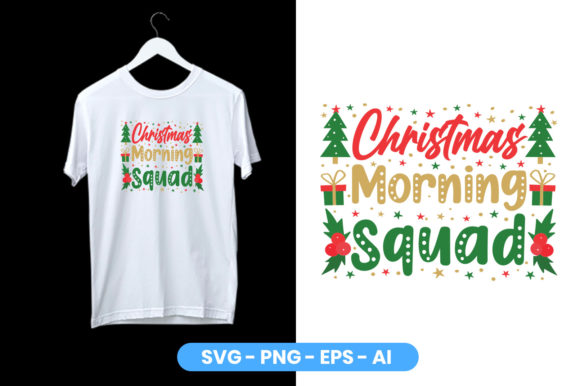
25 December Merry Christmas T-shirt Review
First Impressions: Vector Typography on Dark Fabric
When evaluating the 25 December Merry Christmas T-shirt design, the first thing that stands out is the intentional use of negative space and high-contrast color. As a designer who frequently digitizes for dark garments, I appreciate that this graphic was created with a black background in mind. Many vector illustrations fail when translated to embroidery because they rely on shading or gradients that do not stitch well. However, this design utilizes bold vector typography and colorful elements that suggest a clean separation between the motif and the fabric base. For an Etsy seller or small shop product creator, this distinction is vital. It means the design is likely optimized for visibility without requiring excessive underlay stitches that can distort lightweight fabrics.
The mood of this machine embroidery design strikes a balance between traditional holiday warmth and modern graphic appeal. It does not feel like a cluttered vintage card; instead, it reads as a contemporary piece of custom apparel. When I look at the layout, I immediately visualize this on a charcoal or jet-black sweatshirt rather than just a standard tee. The colorful design elements against the dark backdrop create a natural framing effect, which helps maintain visual hierarchy during stitching. For those managing a craft business, this type of versatile aesthetic is valuable because it appeals to both younger demographics looking for trendy holiday embroidery and older customers seeking classic festive wear.
Real-World Application: Stitching a Holiday Sweatshirt
To truly understand the utility of this embroidery file, I mentally walked through a recent client project involving a batch of unisex holiday sweatshirts for a local boutique. The client wanted a design that would pop on black fleece but wouldn't result in a stiff, bulletproof patch of thread. The 25 December Merry Christmas T-shirt vector style suggests it relies heavily on satin stitch borders and fill stitch interiors rather than dense, photo-realistic coverage. In a real-life scenario, this is exactly what you want for sweatshirt embroidery.
During the production of such a handmade product, the primary concern is how the colorful threads interact with the black garment. Because the source art specifies a black background, the digitizer has likely accounted for contrast. If you are using this for a personalized gift or commercial run, verify that the thread colors selected have enough luminance to stand out against dark fabric. A deep red might get lost on black cotton, whereas a bright crimson or metallic gold will sing. This design’s vector nature implies crisp edges, which translates beautifully to a finished product where clarity equals perceived value. Customers trust products where the lettering is legible and the graphics are sharp, making this an excellent candidate for building brand consistency in your shop.
Fabric Considerations and Stabilizer Strategy
While the design is marketed for T-shirts, mugs, and pillows, each substrate requires a different approach. When applying this to a tote bag design or canvas pillow cover, the stability of the fabric works in your favor. You can likely use a medium-weight cutaway stabilizer and achieve professional results. However, if you are adapting this T-Shirt Designs asset for stretchy knitwear or baby clothes, caution is necessary.
- Stretchy Knits: Always use a fusible no-show mesh stabilizer plus a water-soluble topping. The colorful fills in this design could push the fabric into the hoop if not properly supported, leading to registration errors between the text and the illustration.
- Textured Fabrics: If using this on a terry cloth towel or fuzzy fleece, the fine details of the vector typography may sink in. A heavy-duty water-soluble topping is non-negotiable here to keep the stitches floating above the nap.
- Mugs and Hard Substrates: Remember that while this is listed for mugs, it is primarily a vector graphic. Ensure you are converting it appropriately for sublimation or laser engraving if not stitching. For embroidery on fabric-covered items, confirm the hoop size accommodates the full width of the typography without distortion.
Navigating Technical Constraints and Detail Levels
As with any digital embroidery file, there are limitations to consider before hooping up your best merchandise. The "25 December" text element likely contains smaller lettering. In machine embroidery, text height is the enemy of clarity. Before committing this design to a finished product, measure the physical height of the smallest letters in your software or print a template. If the serifs or internal counters are smaller than 4mm, they may not stitch cleanly on textured fabrics.
Furthermore, consider the stitch density. Vector illustrations often translate to denser fill areas to mimic solid blocks of color. On a lightweight summer T-shirt, this density could cause puckering or tearing. I strongly recommend testing this design on a scrap of the exact fabric you intend to sell. Check the back of the sample; if the bobbin thread is visible on top or the fabric is tunneling, adjust your tension or add more stabilizer. For baby embroidery specifically, ensure the back of the design is smooth. Dense vector fills can be scratchy against sensitive skin, so using a soft backing or lining the garment might be necessary to maintain the comfort expected of a personalized gift.
Commercial Viability for Sellers and Makers
For the Etsy seller or creative entrepreneur, time is money. The 25 December Merry Christmas T-shirt design offers strong commercial potential because of its specific date reference. Unlike generic "Happy Holidays" designs, this targets a specific niche: Christmas Day celebrations, birthday shirts for those born on the 25th, or anniversary gifts. This specificity increases buyer engagement and search relevance.
However, professionalism dictates due diligence. Before listing this as part of your commercial embroidery lineup, review the licensing terms associated with the design assets. Confirm whether you are permitted to sell finished physical products, digital files, or both. Additionally, test the design in black and white mockups as well as color previews. Showing customers how the design looks on a dark shirt versus a light shirt (if applicable) manages expectations and reduces returns. High-quality printable mockups that accurately represent the stitch texture will always outperform flat digital images when selling embroidered goods.
Final Designer Verdict and Best Practices
The 25 December Merry Christmas T-shirt vector illustration is a robust addition to any holiday catalog, provided it is treated with respect for the medium. Its strength lies in its bold, colorful aesthetic designed for dark backgrounds, making it ideal for premium sweatshirts, tote bags, and statement tees. To maximize success:
- Test First: Never skip the sew-out on actual garment material. Screen brightness does not equal thread sheen.
- Contrast Check: Verify thread colors against black fabric physically, not just on screen.
- Stabilize Correctly: Match your stabilizer weight to the fabric stretch and design density.
- Verify Specs: Since specific stitch counts and hoop sizes are not provided in the description, open the file in your software to confirm compatibility with your machine's maximum field size before purchasing or stitching.
- License Compliance: Ensure your usage aligns with the vendor’s terms for commercial sale.
By approaching this embroidery project with technical mindfulness, you transform a simple digital download into a high-value, tangible product that customers will cherish. Whether you are creating a keepsake holiday gift or stocking your shop for the seasonal rush, this design has the visual personality to perform, as long as the execution matches the concept.