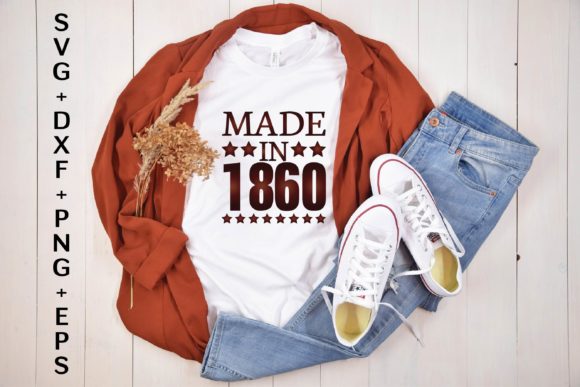
MADE in 1860 SVG Design: Graphics & T-Shirt Designs
As a handmade business owner who has spent years navigating the intersection of digital assets and physical crafting, I approach every new graphic design asset with a healthy dose of skepticism. When I first loaded the MADE in 1860 SVG DESIGN into my workspace, I wasn't just looking for a pretty picture; I was evaluating a potential product line for my upcoming heritage collection. The immediate impression this design gives is one of established history and rustic authenticity. It doesn't scream "trendy" or "fast fashion." Instead, it evokes a sense of permanence, craftsmanship, and vintage Americana that appeals deeply to customers looking for goods with a story.
This specific aesthetic is crucial for sellers targeting the farmhouse, historical reenactment, genealogy, or antique enthusiast niches. The mood is undeniably masculine and rugged, yet versatile enough for unisex apparel or family reunion merchandise. Unlike cutesy script fonts or modern minimalist lines, this asset carries visual weight. For an Etsy shop owner or craft fair vendor, this means the design naturally lends itself to higher perceived value items like canvas tote bags, distressed wood signs, and premium cotton tees rather than disposable party favors. It feels like a commercial design meant to last, which aligns perfectly with the values of the handmade community.
Real-World Applications for Cricut and Silhouette Projects
In my workshop, versatility is the metric that matters most. A digital product sitting on a hard drive generates no revenue until it becomes a tangible item. I tested this SVG design across three distinct production workflows to see how it holds up under real manufacturing conditions. For vinyl cutting, the file structure is paramount. When importing into Cricut Design Space or Silhouette Studio, clean vector paths are non-negotiable. This asset performed well as a t-shirt design on dark cardstock and black cotton. The nodes were organized logically, meaning I didn't have to spend twenty minutes welding stray anchor points before sending it to the mat. This efficiency is vital when you are fulfilling a batch order of twenty shirts for a local historical society or family event.
Beyond vinyl, I evaluated this as a sublimation design for drinkware. Heritage themes translate exceptionally well to enamel mugs and stainless steel tumblers. Because the design relies on bold shapes rather than microscopic gradients, the transfer onto coated ceramics was crisp. There was no blurring at the edges, which is often a risk with vintage-style textures. For those running a print-on-demand business or creating handmade packaging, this illustration also serves as an excellent branding element. I can envision this stamped onto kraft paper tags or printed on tissue paper to elevate the unboxing experience. It transforms a simple transaction into a curated brand moment, reinforcing the "established quality" vibe that customers love.
Where This Asset Shines in Production
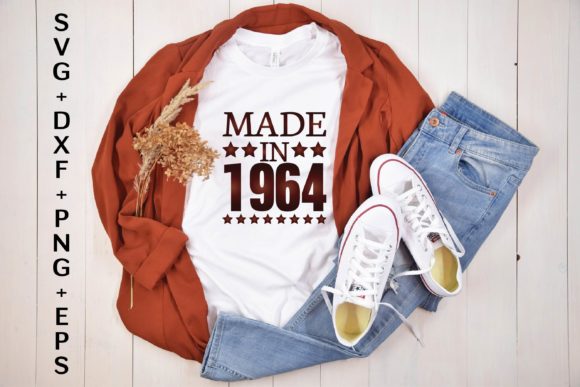
Through testing, it became clear where this graphic design asset delivers the best return on investment. It excels in medium-to-large format applications. The boldness of the "1860" typography and accompanying graphical elements makes it ideal for:
- Apparel Back Prints: Use it as a large centerpiece on the back of a hoodie or tee, paired with a smaller pocket logo on the front.
- Home Decor Signage: Perfect for stained wood plaques or metal tin signs where high contrast is needed for readability from a distance.
- Tumbler Wraps: The aspect ratio adapts well to curved surfaces without distorting the vintage proportions.
- Event Merchandise: Ideal for anniversary celebrations, centennials, or heritage festivals where the date is the focal point.
- Sticker Design: Works beautifully as a die-cut vinyl sticker for laptops, water bottles, and toolboxes, provided the size remains above three inches.
The design’s strength lies in its legibility and thematic consistency. It communicates its message instantly, which is essential for craft fair sales where customers make split-second decisions based on visual appeal.
Technical Limitations and Crafting Caution Zones
Honesty in reviewing design assets means acknowledging where they fail. While the MADE in 1860 SVG DESIGN is robust, it requires careful handling in specific scenarios. Crafters should be wary of scaling this down too small. Vintage aesthetics often include textured distressing or fine serif details that can become problematic below two inches. If you attempt to cut this as a tiny planner sticker or a detailed label for a jewelry card, your Cricut may struggle with weeding, and the intricate parts could lift during application. The PNG design version is safer for these miniature applications, as printing avoids the physical limitations of vinyl blades.
Additionally, consider your color contrast strategy. This design relies heavily on silhouette and shape. If you are layering vinyl, ensure you aren't placing similarly toned colors against each other, as the vintage details might get lost. On low-contrast backgrounds, the design can appear muddy. Always test on a scrap piece of your actual project material before committing to a full production run. For sublimation users, verify that the resolution of the included raster files meets the 300 DPI standard at your desired print size. Upscaling a low-res PNG will result in pixelation that ruins the premium antique look you are aiming for.
Workflow Tips for Handmade Business Success
Integrating this asset into a professional workflow requires more than just hitting "cut." To maximize the commercial viability of this design bundle, I recommend a few specific preparatory steps. First, always verify your commercial license. Just because a file is available for instant download doesn't automatically grant permission for mass-produced retail sales. Confirm the terms specifically cover your intended use case, whether that's physical products, digital printables, or modified designs.
Typography pairing is another area where this asset can be elevated. Since the "1860" element is dominant, pair it with complementary fonts that don't compete for attention. A clean sans-serif font works well for modernizing the look for younger demographics, while a textured handwritten font can enhance the personal, heirloom quality for gifts. Avoid overly ornate scripts that clash with the existing decorative elements. Mockups are equally important. Before listing any product featuring this design, place it on realistic product mockups that match the vintage tone. A sleek, neon-lit mockup will feel disjointed; opt for natural lighting, wood textures, or linen backgrounds to maintain narrative consistency.
Final Verdict for Creative Entrepreneurs
For the creative entrepreneur, the MADE in 1860 SVG DESIGN represents a solid foundational asset for niche marketing. It solves a specific problem: providing authentic-looking heritage graphics without the cost of custom illustration. Whether you are preparing for a seasonal market, updating your Etsy shop with timeless staples, or fulfilling custom orders for clients who value tradition, this file offers reliable performance. It bridges the gap between digital convenience and handmade charm, provided you respect its technical boundaries.
Ultimately, success with this asset comes down to intentionality. Don't just slap it on a blank shirt. Consider the story you are telling. Who wore clothes in 1860? What did their tools look like? How does this connect to the modern buyer's desire for connection and history? When used with that level of thoughtfulness, this graphic design asset becomes more than just a cutting file; it becomes a cornerstone of a cohesive, marketable handmade brand. Test it, refine it, and let the vintage aesthetic drive your next successful product launch.