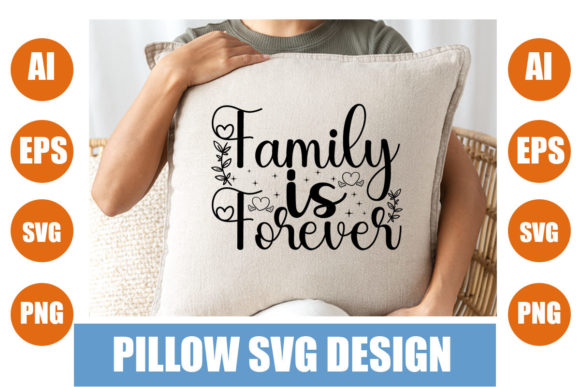
Pillow Design Graphics for Crafts and Editorial Content
As a digital publisher and blog designer, my first interaction with any graphic design asset is purely editorial. I am not looking at it as a crafter ready to heat press a T-shirt; I am looking at it as a visual communicator needing to stop the scroll on a crowded Pinterest feed or add warmth to a sterile website header. When evaluating this specific Pillow Design, Pillow, Mug or T-Shirt collection, the immediate impression is one of accessible creativity. It bridges the gap between commercial product photography and illustrative charm. For content creators in the lifestyle, DIY, or home decor niches, this asset signals to the reader that the content is hands-on, tangible, and visually rich.
The mood created by this vector set is distinctly modern yet cozy. In an era where editorial design often leans toward stark minimalism, incorporating a graphic that explicitly references soft goods like pillows and mugs adds necessary texture to a digital layout. It feels feminine without being juvenile and professional without being corporate. This balance is critical for bloggers who need to maintain reader trust while showcasing affiliate products or selling their own digital download resources. The RGB color profile mentioned in the file specifications suggests these were optimized for screen-first viewing, which is a massive advantage for web designers who are tired of converting CMYK print files and losing color vibrancy in the process.
Integrating Vector Assets into Blog Featured Images
In a real publishing workflow, the versatility of receiving AI, EPS, SVG, and PNG files cannot be overstated. When I am designing a featured image for a blog post about home styling or gift guides, raster images often limit my ability to adjust composition. With this Pillow Design, Pillow, Mug or T-Shirt asset, the vector format allows me to scale elements to fit a 1200x630px social share card or a wide 1920px website header without pixelation. This scalability is essential for maintaining a crisp visual hierarchy. I can isolate just the mug element for a subtle sidebar accent or combine the pillow and typography for a bold hero section.
For affiliate marketers, this type of creative design serves as a neutral but attractive backdrop for product overlays. Instead of using generic stock photos that readers have seen a thousand times, you can create custom blog graphics that feel bespoke. The clean lines of the vector art ensure that when you place text over it, readability remains high. This directly impacts click-through rates. A cluttered or low-contrast featured image confuses the user’s eye, whereas this asset provides clear negative space for headlines, supporting better content marketing performance.
Elevating Digital Products and Lead Magnets
Beyond standard blog posts, this asset pack shines when creating value-added content. If you are developing a lead magnet such as a "Home Decor Checklist" or a "Seasonal Styling Guide," the cover design dictates the perceived value of the freebie. Using high-quality vector graphics from this set elevates a simple PDF into a polished digital product. The inclusion of printable design elements means you can also offer physical worksheets or coloring pages as part of a membership site, adding a tactile dimension to your digital ecosystem.
I frequently use assets like this to build Canva template systems for clients. Because the files include editable AI and EPS formats, they can be imported into Canva (via SVG upload) to create reusable templates for Instagram stories or newsletter headers. This consistency builds brand identity. When a subscriber opens your email and sees the same stylistic cues found on your blog and Pinterest boards, it reinforces recognition. For small business branding, having a cohesive visual language across all touchpoints is what separates hobbyists from professional publishers.
Strategic Placement for Maximum Editorial Impact
Knowing where to deploy this Pillow Design, Pillow, Mug or T-Shirt graphic is just as important as the design itself. Based on my testing within various CMS layouts, this asset performs exceptionally well in specific contexts:
- Pinterest Pins: The vertical aspect ratio of many pin designs benefits from the scalable nature of these vectors. They remain sharp even when compressed by social platforms.
- Category Thumbnails: Use the isolated pillow or mug icons to represent specific blog categories like "Living Room," "Kitchen," or "Gifts." This aids navigation and improves user experience.
- Newsletter Headers: The RGB optimization ensures colors pop in dark mode and light mode email clients alike, unlike some print-intended graphics that look muddy on screens.
- eBook Covers: The artistic style is perfect for mid-length digital guides, providing enough visual interest to stand out in a thumbnail grid without overwhelming the title text.
However, publishers must exercise caution in certain applications. While the design is versatile, it may not suit serious financial advice columns, medical journals, or ultra-minimalist tech blogs. In those contexts, the whimsical nature of a pillow or mug graphic could undermine the authoritative tone required. Additionally, avoid using the full-color version as a tiny mobile thumbnail; the details will get lost. Opt for simplified silhouettes or high-contrast versions when working at small scales. Always test the asset against your specific background colors to ensure accessibility standards are met.
Technical Due Diligence for Professional Publishers
Before integrating this asset into monetized content, run through a practical technical checklist. First, verify the commercial license. The description welcomes you to the store and lists file types, but as a publisher, you must confirm if the license covers use in paid digital products, affiliate landing pages, or client work. Never assume usage rights based solely on file delivery. Second, test font pairings. This graphic has a distinct personality; I found it pairs beautifully with rounded sans-serifs and organic script fonts, but clashes with rigid, geometric display typefaces. Your typography choice will either amplify or fight the asset's inherent mood.
Web performance is another non-negotiable factor. Although vectors are lightweight, exported PNGs can be heavy. Always compress your final web-ready images. A beautiful Pinterest pin that takes three seconds to load will hurt your SEO and bounce rate. Preview the design in grayscale to ensure the contrast holds up for users with visual impairments or those browsing on low-brightness screens. Finally, check how the asset interacts with your existing modern design system. Does it align with your current color palette? Since these are RGB vectors, recoloring them in Illustrator or Affinity Designer to match your exact brand hex codes is a quick process that yields massive dividends in visual cohesion.
Ultimately, this Pillow Design, Pillow, Mug or T-Shirt collection offers more than just decoration; it offers a shortcut to professional-grade visual communication. For the blogger, educator, or marketer who understands that aesthetics drive engagement, this asset provides the raw materials needed to build trust, clarify messaging, and create a memorable reader experience. By treating this graphic as a strategic publishing tool rather than mere clip art, you unlock its full potential to support your content goals and enhance your digital presence.