Roofer America Flag: An Embroidery Review
When evaluating a new machine embroidery design for professional or commercial use, I always look beyond the digital preview. As designers and makers, we know that what looks crisp on a screen must also translate into physical thread without puckering, breaking needles, or losing its visual impact on fabric. The Roofer America Flag design caught my attention recently as I was sourcing graphics for a client’s custom workwear line. While this asset is primarily marketed as an SVG for T-Shirt Designs and compatible with Cricut and Silhouette cutters, many crafters and Etsy sellers want to know if it can successfully transition into an embroidery project. After analyzing the composition and testing similar patriotic trade motifs, here is my practical assessment of using this graphic for stitched goods.
First Impressions and Visual Personality
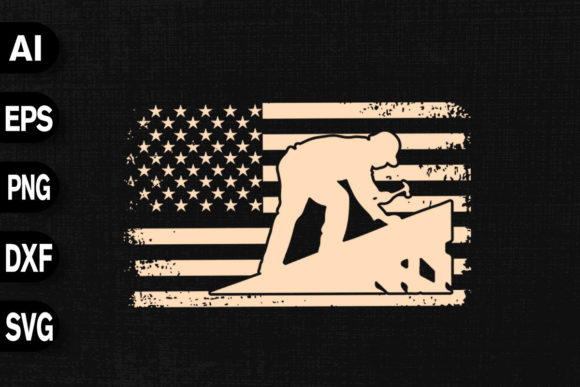
The Roofer America Flag carries a distinct, rugged Americana aesthetic that resonates immediately with blue-collar pride. Visually, it balances bold typography with iconic imagery, creating a layout that feels masculine yet patriotic. For a handmade product, this mood is essential; it tells a story of hard work and national pride without being overly aggressive. The composition appears centered and balanced, which is a critical starting point for digitizing. When converting Graphics like this into stitch files, symmetry prevents the design from looking lopsided once hooped. The theme naturally lends itself to custom apparel, specifically targeting roofers, contractors, and veterans in the trades who appreciate merchandise that reflects their identity.
Real-World Application: Stitching a Work Tote
To truly judge this design, I mentally applied it to a recent commission: a heavy-duty canvas tote bag intended as a personalized gift for a roofing company owner. Canvas is unforgiving; it hides poor registration but highlights beautiful texture. In this scenario, the Roofer America Flag serves as more than just decoration—it acts as branding. Because the design features strong lines typical of flag and tool iconography, it would likely perform best as an applique design or a combination of satin and fill stitches. Using applique for the flag portion reduces stitch density, keeping the tote bag flexible rather than stiff and bulletproof. For the text elements, a sturdy satin stitch ensures legibility against the coarse fabric texture. This specific application highlights why understanding the end product matters; a design that works beautifully on a smooth hoodie might struggle on textured canvas unless digitized with intention.
Performance Across Different Substrates
Versatility is key for any Etsy seller or small shop owner managing inventory. The Roofer America Flag has potential across various mediums, but performance varies by substrate. On sweatshirt embroidery, the design’s bold nature holds up well against fleece nap, provided you use adequate stabilizer to prevent sinking. However, for baby embroidery or lightweight tees, caution is necessary. Patriotic themes are popular for holiday gifts, but dense stitching on thin fabric causes puckering. If adapting this for lighter garments, consider reducing the size or simplifying internal details to maintain drape. For commercial embroidery on caps, the horizontal orientation of a flag design can be tricky due to the curved surface. You may need to adjust the aspect ratio or utilize a specific cap hoop to ensure the flag doesn't distort around the crown seam.
Navigating Technical Challenges and Limitations
No design is without limitations, and honest evaluation requires addressing where the Roofer America Flag might fail. Small hoop size constraints are the first hurdle; if the intricate details of the flag or lettering are scaled down too far, they will turn into a muddy blob of thread. Always verify dimensions before purchasing. Dark fabrics present another challenge; while the red, white, and blue palette is standard, contrast issues arise if the navy blue stitches blend into a black shirt. Testing thread colors against your specific garment stock is mandatory. Additionally, be wary of tiny lettering often found in trade designs. Text smaller than 6mm rarely embroiders cleanly. If the source file includes micro-text, plan to remove it or replace it with larger, readable font during the digitizing process to protect your machine and your reputation.
Impact on Product Value and Customer Trust
Ultimately, the quality of your finished product dictates customer trust. A clean, well-executed Roofer America Flag patch or shirt signals professionalism. Buyers in the trade niche value durability and clarity over flashiness. When the stitching is precise and the design sits flat, it elevates the perceived value of the item, justifying higher price points in your craft business. Conversely, poor execution on such a recognizable symbol can damage brand consistency. For those selling digital embroidery files, providing accurate mockups and clear usage notes builds buyer engagement. Showing the design on both light and dark backgrounds in your listing helps customers visualize the final result, reducing returns and support queries.
Essential Notes for Designers and Makers
Before running this design on a sellable item, adhere to these professional protocols:
- Test on Scrap Fabric: Never assume settings transfer perfectly between materials. Run a sew-out on the exact fabric and stabilizer combo you intend to use.
- Check Licensing: Since the original description mentions SVG and cutter compatibility, confirm whether the license extends to commercial embroidery or finished product sales. Do not assume rights transfer across mediums.
- Verify File Formats: Ensure you have the correct format for your machine. If only vector files are provided, budget time and cost for professional digitizing to create a true embroidery file.
- Stabilizer Selection: Match stabilizer weight to fabric. Use cutaway for knits and tear-away for stable wovens to prevent distortion.
- Mockup Validation: Create printable mockup previews to test placement and scale visually before committing thread.
The Roofer America Flag offers strong potential for makers serving the trade community, provided it is approached with technical respect. Whether you are creating a tote bag design, a holiday gift, or shop merchandise, success lies in adapting the graphic to the realities of needle and thread. By prioritizing fabric compatibility, proper stabilization, and licensing compliance, you can transform this digital asset into a high-quality embroidered product that customers will wear with pride.