Sunflower Sonographer: An Embroidery Design Review
As a professional embroidery digitizer and product reviewer, I approach every new graphic with a specific question: will this actually stitch out cleanly on real fabric? When evaluating the Sunflower Sonographer design, my immediate focus is on how the organic shapes of the floral elements interact with the structured, often technical imagery associated with sonography. This isn't just another cute medical motif; it is a specialized niche graphic that bridges the gap between professional identity and feminine aesthetic. For embroidery designers and small business owners targeting ultrasound technicians, radiology students, or maternal-fetal medicine staff, this design offers significant potential, provided it is executed with an understanding of stitch mechanics and fabric behavior.
First Impressions and Visual Balance
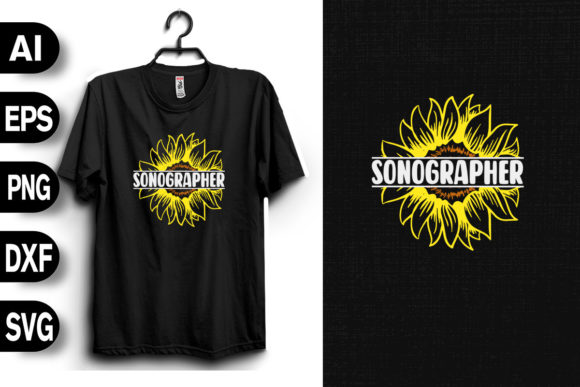
The initial appeal of the Sunflower Sonographer lies in its thematic contrast. Sunflowers are inherently bold, with high-contrast petals and textured centers that translate beautifully into embroidery. However, incorporating sonography elements—often depicted as probes, sound waves, or fetal outlines—requires precision. In reviewing this graphic for T-Shirt Designs and general Graphics use, I look for clean vector lines that suggest a digitizer can easily assign appropriate stitch types. The mood is warm and celebratory, moving away from sterile clinical vibes toward something more personal and gift-worthy. This emotional resonance is exactly what drives sales for Etsy sellers and makers creating personalized gifts for graduation, baby showers, or professional appreciation.
From a layout perspective, the design appears balanced for center-chest placement on custom apparel or as a primary focal point on a tote bag design. The circular nature of the sunflower head provides a natural frame, which helps contain the visual weight of the sonography iconography. This containment is crucial for maintaining stitch registration, especially when working with variable fabrics like cotton tees versus canvas totes.
Real-World Application: Stitching a Sweatshirt Project
To truly evaluate this machine embroidery design, I mentally simulate a recent client project involving a heavyweight cotton sweatshirt for a sonography clinic’s holiday party. Sweatshirt embroidery presents unique challenges due to the fleece backing and stretchy knit face. When applying the Sunflower Sonographer to this substrate, the interplay of fill stitch and satin stitch becomes the defining factor of success.
In this scenario, the sunflower petals would ideally utilize a tapered satin stitch or a bean stitch to prevent puckering on the knit fabric. If the design relies too heavily on dense fill stitch for the petals, the sweatshirt will become stiff and unwearable. Conversely, the sonography probe element requires sharp definition. A running stitch outline might get lost in the fleece texture, so I would recommend verifying that the digital embroidery file includes adequate underlay or a slightly heavier top stitch weight for those finer details. The goal is a finished product where the design sits flat against the garment without distorting the neckline or causing tunneling between stitch columns.
For a tote bag design application, the considerations shift. Canvas is stable but coarse. Here, the Sunflower Sonographer can handle higher stitch density, allowing for richer color blending in the flower center. However, because tote bags are frequently washed and subjected to friction, ensuring the design has proper lock stitches at the start and end of each color change is non-negotiable to prevent unraveling over time.
Navigating Fabric Limitations and Hoop Constraints
While versatile, this design demands careful placement decisions based on material properties. I advise extreme caution when using Sunflower Sonographer on performance wear or thin, silky fabrics often used in scrubs. The combination of floral density and technical line work can create a "bulletproof vest" effect if the stitch count is too high relative to the fabric weight. Always pair this design with a lightweight cut-away stabilizer for stretchy knits and a tear-away for woven cottons to maintain the integrity of the handmade product.
Hoop size compatibility is another critical checkpoint. Before purchasing or stitching, confirm the dimensions of your specific embroidery file. If you intend to resize this design significantly—for example, shrinking it for a baby embroidery project on a onesie or enlarging it for a pillow cover—you must account for stitch density changes. Simply resizing a complex graphic like Sunflower Sonographer in software without re-digitizing can lead to gaps in the satin stitches or excessive density in the fills. For small hoop sizes, verify that the text elements (if included) remain legible. Tiny lettering paired with intricate floral details often results in thread breaks and poor clarity; sometimes, less is more when adapting for caps or sleeves.
Commercial Viability for Makers and Sellers
For Etsy sellers and creative entrepreneurs, the commercial value of this design extends beyond the stitch-out. It serves as a strong anchor for niche marketing. Sonographers are a passionate community who take pride in their specialized role. A well-executed Sunflower Sonographer embroidered patch or custom apparel item signals that the maker understands their profession. This specificity builds customer trust and increases buyer engagement far better than generic medical clip art.
When listing items featuring this design, presentation matters. Use printable mockups to show how the design looks on various products before committing inventory. However, nothing replaces photography of the actual stitched sample. Customers need to see how the thread colors interact with the fabric texture. Show the design on both light and dark backgrounds to demonstrate versatility. If you are selling the digital assets themselves, be transparent about the intended use. Clearly state whether the license covers commercial embroidery projects or only personal use. Ambiguity here can damage your reputation in the crafting community.
Essential Designer Notes for Success
Before loading this design into your machine, adhere to these practical protocols to ensure professional results:
- Test Stitch First: Never run Sunflower Sonographer directly onto a final product without a test sew-out on similar scrap fabric. Check for registration issues between the floral and technical elements.
- Verify Thread Contrast: Sonography icons are often subtle. Ensure your thread colors provide enough contrast against the fabric so the imagery is recognizable from a distance. Yellow gold threads for the sunflower should be distinct from the greens and metallics or blacks used for the equipment.
- Inspect Small Details: Zoom in on the embroidery file preview. Are the smallest elements wider than 1mm? If not, they may not stitch reliably. Adjust or remove microscopic details that add risk without adding value.
- Stabilizer Selection: Match your stabilizer to the end-use. A tea towel needs wash-away stabilizer to avoid residue, while a hoodie needs permanent cut-away support. The wrong stabilizer choice is the most common cause of failure for this type of mixed-media design.
- Licensing Check: Confirm the specific terms for the Sunflower Sonographer file. Does it allow for unlimited commercial embroidery sales, or is there a cap? Respect the original digitizer's terms to protect your craft business legally and ethically.
- Mockup Testing: Create black and white versions of your mockups to test visual hierarchy. If the design reads clearly in grayscale, your color choices will likely be successful in thread.
Final Thoughts on Design Integrity
The Sunflower Sonographer represents a thoughtful intersection of nature and science, making it a valuable asset for apparel decorators and hobbyists alike. Its success in your studio depends entirely on respecting the technical requirements of embroidery. By treating this graphic not just as a pretty picture, but as a structural map for thread and needle, you elevate your work from simple decoration to professional craftsmanship. Whether you are creating a holiday gift for a colleague or stocking your shop with best-selling niche merchandise, taking the time to understand the interaction between this design and your chosen substrate will yield a finished product that honors both the art of embroidery and the profession it celebrates.