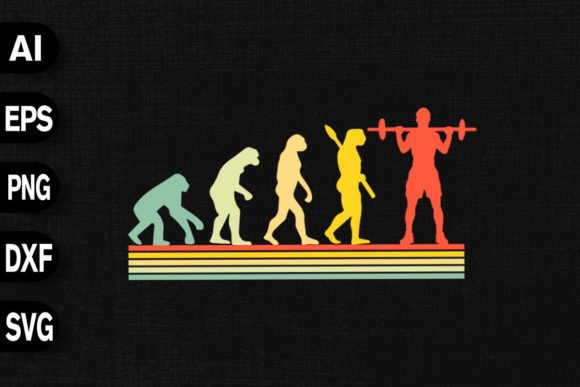
Vintage Powerlifting Evolution: An Embroidery Review
When I first opened the Vintage Powerlifting Evolution file, I wasn't just looking for a graphic; I was evaluating whether this design could survive the transition from screen to stitch. As an embroidery designer and product reviewer, my primary concern is always practical application. We see countless T-Shirt Designs that look fantastic as digital Graphics but fail when needle hits fabric. This review breaks down exactly how this specific machine embroidery design performs in real-world scenarios, focusing on stitch integrity, commercial viability, and the tactile quality required for a successful handmade product.
First Impressions: Retro Grit Meets Stitch Logic
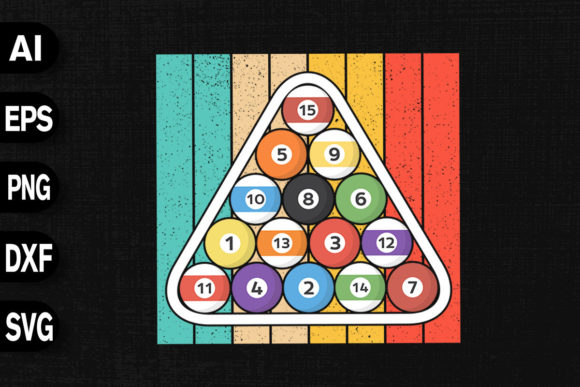
The visual personality of Vintage Powerlifting Evolution immediately strikes a balance between nostalgic gym culture and bold typography. For an Etsy seller or small shop product creator, this aesthetic is currently high-value. However, from a technical standpoint, "vintage" often implies distressing, texture, and fine lines that can be nightmares for embroidery digitizing. My initial assessment focused on whether the design relies too heavily on tiny running stitch details that might get lost in the fabric texture, or if it utilizes proper satin stitch and fill stitch areas to create dimension.
The layout feels substantial. It has the weight necessary for custom apparel, particularly sweatshirts and hoodies where the fabric can support moderate stitch density. Unlike flimsy clip art, this design appears to have been structured with physical production in mind. The retro elements provide natural color break opportunities, allowing for distinct thread colors without excessive jumps or trims. This is crucial for maintaining efficiency in commercial embroidery runs while ensuring the finished product looks intentional rather than chaotic.
Real-World Application: The Heavyweight Sweatshirt Test
To truly evaluate this embroidery file, I mentally placed it in a specific production scenario: creating a premium, heavyweight crewneck sweatshirt for a boutique fitness brand. This is a common request for craft business owners moving beyond basic t-shirts. In this context, Vintage Powerlifting Evolution serves as more than just decoration; it acts as a branding anchor.
For a sweatshirt embroidery project, the design’s scale is its greatest asset. When hooped correctly, the bold lettering and iconic imagery maintain clarity even from a distance. I considered how the design would interact with the fleece backing and cotton face of a standard 10oz sweatshirt. The solid areas of the design provide enough coverage to justify the price point of a personalized gift or boutique item, while the negative space prevents the garment from becoming stiff or bulletproof. This balance is what separates professional-grade design assets from amateur files. If you are planning holiday embroidery or team merchandise, this design offers the versatility to work as both a standalone statement piece and a complementary element to smaller text or logos.
Navigating Fabric Limitations and Hoop Constraints
While the design shines on stable knits, experienced makers know that versatility requires caution. There are specific environments where Vintage Powerlifting Evolution demands careful handling. If you intend to use this as a tote bag design on unlined canvas, you must account for the coarse weave. Fine vintage textures within the graphics may require a topping or a slight adjustment to stitch length to prevent sinking into the fabric gaps.
I would advise against using this specific machine embroidery design on lightweight performance wear or thin baby clothes without significant modification. The stitch density required to render the vintage aesthetic properly could pucker delicate fabrics or create a heavy patch that drags down the neckline. Similarly, curved surfaces like caps present challenges. Unless the design has been specifically digitized for cap hoops with proper pull compensation, the horizontal span might distort. Always verify your hoop size compatibility before committing to a run. For stretchy fabrics, a cutaway stabilizer is non-negotiable to prevent the registration of those crucial retro details from shifting during the stitching process.
Critical Designer Notes for Production Success
Before you load this digital embroidery file into your machine for a client order or inventory build, run through this practical checklist. These steps ensure your finished product meets professional standards:
- Test on Scrap Fabric First: Never assume settings transfer perfectly between materials. Stitch out Vintage Powerlifting Evolution on a swatch identical to your final garment to check tension and coverage.
- Evaluate Thread Color Contrast: Vintage palettes can sometimes lack contrast when stitched. Test your thread colors in natural light to ensure the design remains legible and visually distinct.
- Review Stitch Density: Check if the file is too dense for your chosen fabric. If stitching on a lighter tee, you may need to reduce density to prevent puckering.
- Confirm Licensing Terms: While the description mentions compatibility with Cricut and various uses, always double-check the specific license regarding selling finished embroidered products versus selling the digital file itself.
- Mockup Validation: Use printable mockups to show clients how the design scales. A 4-inch chest logo feels very different from a 10-inch back print.
- Stabilizer Selection: Match your stabilizer to the fabric weight. Fusible mesh for knits, tear-away for stable wovens, and water-soluble topping for textured surfaces like towels or fleece.
Commercial Value and Customer Perception
For creative entrepreneurs, the value of an embroidery project lies in perceived quality. Customers associate dense, clean stitching with durability and authenticity. Vintage Powerlifting Evolution supports this perception by offering a design that feels rooted in history rather than generic clip art. When used on merchandise like aprons, patches, or banners, the retro styling evokes a sense of heritage that resonates with niche audiences.
This emotional connection drives buyer engagement. A well-executed embroidered patch featuring this design can elevate a simple denim jacket into a collectible item. For Etsy sellers, listing photos that showcase the texture of the stitches against the vintage graphics perform significantly better than flat digital previews. The design’s adaptability across mugs, stickers, and apparel also allows for cohesive brand collections, increasing the average order value for small businesses.
Final Verdict for Makers and Decorators
Ultimately, Vintage Powerlifting Evolution is a robust contender for anyone serious about apparel decoration and handmade goods. It bridges the gap between digital convenience and analog craftsmanship. Whether you are producing custom apparel for a local gym, crafting a unique holiday gift, or building inventory for a craft fair, this design provides a solid foundation. Just remember that the file is only the starting point; your expertise in stabilizer choice, tension management, and fabric selection is what transforms a digital graphic into a cherished, tangible product. Treat the design with respect for its physical limitations, and it will reward you with professional, sellable results that stand up to wear and washing.