Vintage Retro Pinball Wizard: Graphics & T-Shirt Designs
First Impressions: Nostalgia as a Strategic Brand Hook
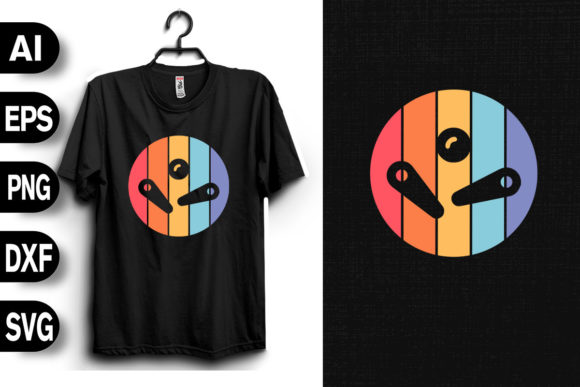
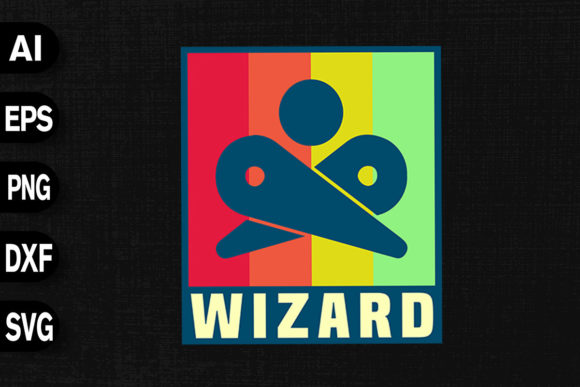
As a brand designer evaluating assets for an upcoming retro-themed merchandise launch, my first interaction with the Vintage Retro Pinball Wizard was less about technical specs and more about emotional resonance. In content marketing, we often talk about "stopping the scroll," and this graphic design asset achieves that through immediate nostalgic recognition. The illustration carries a distinct 70s and 80s arcade aesthetic that feels authentic rather than derivative. For small business branding or creative entrepreneurs targeting millennials and Gen X, this specific mood is invaluable. It signals fun, leisure, and classic Americana without requiring extensive copy to explain the vibe.
When reviewing this SVG design file, I looked past its primary categorization in T-Shirt Designs to see its broader utility. While it is optimized for apparel, the line work and color separation suggest it functions equally well as a standalone icon for social media graphics or a hero element for web design. The visual weight is balanced; it is detailed enough to be interesting on a hoodie but simplified enough to remain legible as a sticker or phone case decal. This versatility is crucial for maintaining visual consistency across a multi-channel campaign.
Deploying the Asset in a Real Merchandise Campaign
To truly test the efficacy of this digital product, I integrated it into a mock campaign for a lifestyle brand launching a "Weekend Unplugged" collection. The goal was to promote tangible goods while building audience trust through cohesive professional branding. Here is how the Vintage Retro Pinball Wizard performed across different touchpoints:
- Apparel and POD Integration: As expected, the design shines on fabric. Because it is compatible with Cricut and other cutting machines, the vector paths are clean, making weeding vinyl straightforward for small batch production. On a tote bag or mug, the retro typography anchors the composition, allowing the brand logo to sit subtly above or below without competing for attention.
- Social Media and Digital Ads: I used the PNG version of the asset as a focal point in Instagram carousel posts and Facebook ads. The high contrast ensures readability even when scaled down for mobile feeds. In this context, the graphic acts as a visual shorthand for the campaign's theme, reducing cognitive load for the viewer.
- Packaging and Inserts: We utilized a monochrome version of the illustration on thank-you cards and packaging stickers. This added a premium, tactile feel to the unboxing experience. Using the same graphic design asset in both digital ads and physical packaging reinforces brand identity and makes the customer journey feel seamless.
- Content Marketing Assets: For blog headers and Pinterest pins promoting the collection, the pinball wizard served as an engaging editorial element. It broke up text-heavy layouts and increased click-through rates by promising entertaining content before the user even read the headline.
Strengthening Visual Hierarchy and Engagement
A common pitfall in commercial design is using clipart that looks disconnected from the brand voice. However, this illustration supports a stronger visual hierarchy because of its inherent structure. The central figure draws the eye immediately, while the surrounding decorative elements frame potential headline space. When designing flyers or banners, this built-in negative space allows marketers to overlay promotional text without obscuring the art. This balance is essential for creating memorable campaign visuals that convert viewers into customers. Furthermore, the retro style naturally evokes positive sentiment, which can improve engagement metrics on organic posts compared to sterile, modern stock photography.
Ideal Placements vs. Contextual Limitations
While the Vintage Retro Pinball Wizard is a robust creative design asset, it is not a universal solution. Understanding where it thrives versus where it struggles is key to professional branding.
Where It Works Best
This asset excels in environments that celebrate personality and leisure. It is perfect for hero graphics on landing pages selling vintage-inspired goods, event flyers for arcade bars or retro gaming conventions, and branded templates for content creators in the pop-culture niche. It also serves as an excellent decorative accent in Canva templates meant for casual coaching or lifestyle blogging. If your brand identity relies on warmth, history, or playfulness, this graphic integrates seamlessly.
Where to Exercise Caution
Conversely, I would advise against using this asset in formal corporate branding, financial services, or dense information layouts like medical infographics. The playful nature of the pinball wizard can undermine authority in serious contexts. Additionally, avoid placing it on low-contrast backgrounds or in small mobile footers where the intricate details might blur into visual noise. If your brand is ultra-minimalist, this maximalist retro style may clash unless intentionally used as a disruptive accent. Always ensure the asset supports the main message rather than distracting from it.
The Designer’s Checklist: Technical and Strategic Validation
Before adding any design bundle to your permanent library, run it through a rigorous quality assurance process. Based on my review of the Vintage Retro Pinball Wizard t-shirt SVG design file, here are the practical steps every marketer should take:
- Palette Compatibility Test: Import the SVG into your design software and recolor it using your exact brand hex codes. Does the retro aesthetic survive the color shift? Some vintage designs rely on specific shading; ensure your brand colors don't flatten the image unintentionally.
- Typography Pairing: Test the graphic against your brand fonts. It pairs beautifully with bold sans-serif display fonts or groovy script typefaces but may look disjointed next to thin, modern serifs. Establish a typographic rule before launching.
- Scalability Check: Zoom out to 1 inch wide. Can you still identify the pinball wizard? If you plan to use this for Pop Sockets or lapel pins, verify that fine lines do not disappear at small scales.
- Mockup Verification: Never judge a digital product solely on screen. Place the design inside realistic mockups of hoodies, mugs, and phone cases. Lighting and texture in mockups reveal whether the print area is positioned correctly for manufacturing.
- Licensing Audit: Confirm the commercial license terms specifically for your intended use. If you are selling physical products featuring this design versus selling digital templates containing the design, the requirements may differ. Protect your business by reading the fine print.
- Competitor Analysis: Search Etsy and Creative Market for similar pinball graphics. Ensure your usage of this asset, combined with your unique branding, creates a distinct look that doesn't mimic existing bestsellers too closely.
Final Thoughts on Asset Value
For creative entrepreneurs and digital sellers, the Vintage Retro Pinball Wizard represents more than just a pretty picture; it is a functional tool for communication. Its strength lies in its ability to bridge the gap between niche nostalgia and broad commercial appeal. Whether you are refreshing your social media visuals, preparing a seasonal email banner, or launching a new line of printable design products, this asset offers a solid foundation. By applying strategic design principles and respecting its contextual boundaries, you can leverage this graphic to build deeper audience connections and drive meaningful engagement in a crowded marketplace.