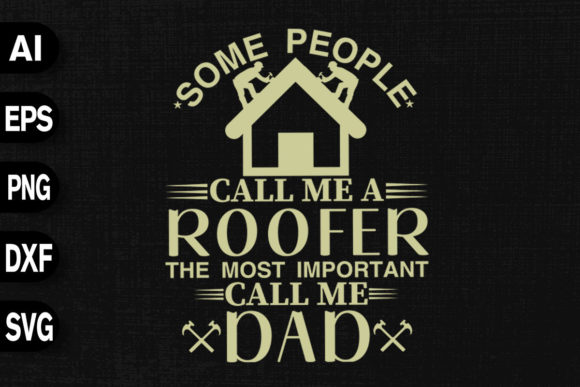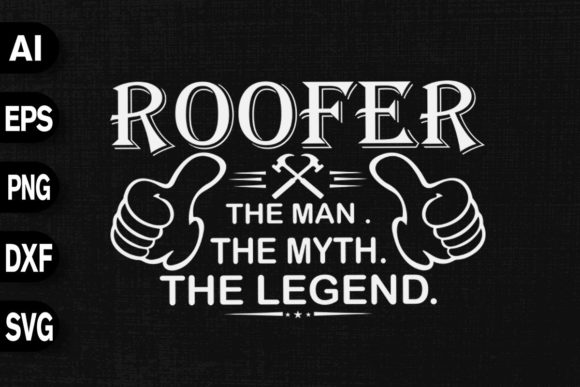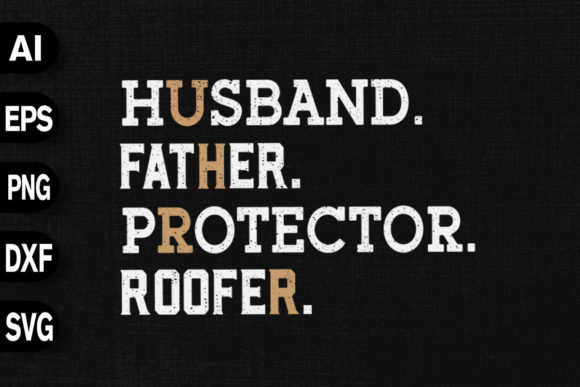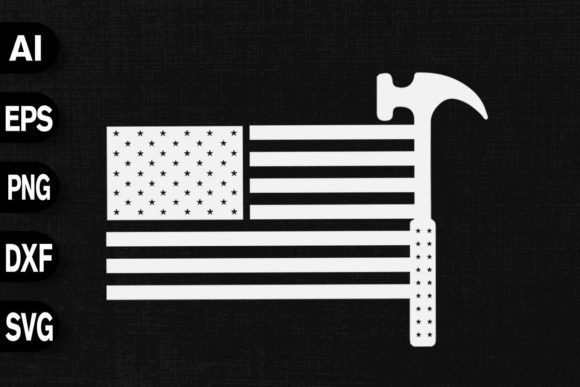
Roofer American Flag Graphics & T-Shirt Designs
Evaluating Patriotic Trade Imagery for Client Branding
When reviewing the Roofer American Flag asset for a recent rebrand of a regional roofing company, my primary focus was not just on the aesthetic appeal but on its functional versatility across physical and digital touchpoints. As a graphic design asset intended for blue-collar industries, this illustration carries a specific weight. It immediately evokes feelings of reliability, patriotism, and skilled labor. For designers working with trade-based clients, finding imagery that balances professional credibility with emotional resonance is often a challenge. This particular graphic leans heavily into traditional Americana, making it an immediate candidate for businesses targeting homeowners who value local craftsmanship and national pride.
In our test project, we were developing a summer campaign for a family-owned roofing business launching a new line of branded merchandise. The goal was to create a cohesive visual identity that worked equally well on a job site banner and an Instagram post. The Roofer American Flag served as the anchor for this campaign. Unlike generic stock vectors, this design integrates trade-specific iconography with patriotic motifs in a way that feels intentional rather than forced. It establishes a mood of hardworking dedication that aligns perfectly with small business branding strategies where trust and community connection are paramount.
Performance Across Merchandise and Print Applications
The true test of any t-shirt design or printable design is how it translates from screen to substrate. In our studio tests, this SVG design file proved robust for various production methods. Because it is compatible with Cricut and Silhouette machines, we were able to rapidly prototype vinyl decals for truck doors and hard hats without losing edge definition. The vector paths appear clean, which is critical when cutting intricate details on adhesive vinyl. For sublimation design projects, such as mugs and phone cases, the color separation holds up well, ensuring that the red, white, and blue elements remain vibrant after heat pressing.
We also evaluated this asset for larger format applications. When scaled up for flyers and banners, the illustration maintains its structural integrity without pixelation, confirming its utility as a high-quality digital product. However, designers should note that while it excels as a hero graphic on apparel like hoodies and tote bags, it requires careful placement on smaller items like pop sockets. On these compact surfaces, fine details can become visually muddy. We found that simplifying the color palette or using only the silhouette version worked best for stickers and lapel pins, preserving readability at reduced scales.
Digital Integration and Social Media Versatility
Beyond physical products, modern design requires assets that perform in web design and social media graphics. We incorporated the Roofer American Flag into Canva templates for Facebook ads and Pinterest pins. The composition allows for easy text wrapping, enabling us to overlay promotional copy without obscuring the core imagery. This flexibility is essential for content creators and marketers managing multiple platforms. As a clipart element within editorial design layouts for blog posts about "Supporting Local Trades," it adds visual interest without overwhelming the typography.
For Etsy product listings or print-on-demand storefronts, this graphic serves as excellent mockup filler. It helps potential customers visualize the final product, bridging the gap between digital preview and tangible reality. However, when using this for commercial design purposes, ensure the surrounding layout supports the bold nature of the artwork. It pairs exceptionally well with rugged sans-serif fonts or vintage slab serifs but may clash with delicate scripts or ultra-modern minimalist typefaces. Maintaining visual hierarchy is crucial; let the flag graphic be the focal point, and keep supporting elements subdued to avoid a cluttered appearance.
Critical Technical Checks Before Commercial Deployment
Before adding this asset to your creative marketplace portfolio or delivering it to a client, rigorous quality assurance is non-negotiable. Professional judgment dictates that you must verify several technical aspects to ensure the asset meets industry standards for brand identity and marketing visuals:
- Vector Editability: Open the SVG file in Illustrator or CorelDRAW to confirm all elements are true vectors and not embedded raster images. True editability allows you to change colors to match specific Pantone brand guidelines.
- Contrast Testing: Preview the design on both light and dark backgrounds. Patriotic designs often rely on white elements that disappear on white shirts. Ensure there is a knockout layer or stroke option available for dark garment printing.
- Licensing Verification: Always review the commercial license terms. Confirm whether the asset permits use in end-products for sale versus internal marketing materials. This distinction is vital for protecting your handmade business or agency from legal issues.
- Print Simulation: Run a test print on actual fabric or paper. Screen brightness can be deceptive; ink saturation on cotton differs significantly from RGB displays. Verify that the blues do not bleed into adjacent white areas during washing.
- Typography Pairing: Test the graphic against your client’s existing font system. If the illustration has a distressed texture, pair it with clean type to maintain professionalism. If the graphic is flat and bold, a textured font might add necessary warmth.
Strategic Placement and Visual Hierarchy Considerations
While the Roofer American Flag is a powerful tool, it is not universally appropriate. Designers must exercise restraint. Avoid using this asset in corporate annual reports, luxury real estate brochures, or minimalist tech branding where overt patriotism might feel out of place or tonally dissonant. It thrives in contexts celebrating labor, holidays like Memorial Day or Fourth of July, and community-focused events. In packaging design, it works best as a secondary accent or seal of approval rather than a background pattern, which could reduce legibility of product information.
Furthermore, consider the emotional impact on your specific audience. For a veteran-owned business, this imagery reinforces authenticity. For a general contractor seeking a modern, eco-friendly image, it might signal tradition over innovation. Your role as a designer is to align the asset with the strategic narrative. When used correctly within a design bundle or standalone project, it enhances recognition and fosters an immediate emotional connection with the target demographic. It transforms a standard service offering into a statement of values.
Final Verdict for Professional Design Workflows
After thorough testing across vinyl cutting, sublimation, digital advertising, and brand collateral, the Roofer American Flag earns its place in a professional designer’s toolkit for trade-related projects. Its strength lies in its adaptability and clear communication of industry-specific pride. It is more than just a decorative illustration; it is a functional component of visual storytelling for blue-collar brands. Whether you are creating a t-shirt design for a crew uniform or a social media graphic for a seasonal sale, this asset provides a solid foundation.
Success with this graphic depends entirely on execution. Treat it with the same respect you would give a custom logo. Check your files, test your prints, respect the licensing, and always prioritize the client’s unique brand voice over the novelty of the artwork. When integrated thoughtfully, it elevates the perceived value of the final deliverable, turning a simple graphic into a meaningful symbol of American craftsmanship. For designers, crafters, and business owners alike, understanding these nuances is what separates amateur output from professional, market-ready creative work.