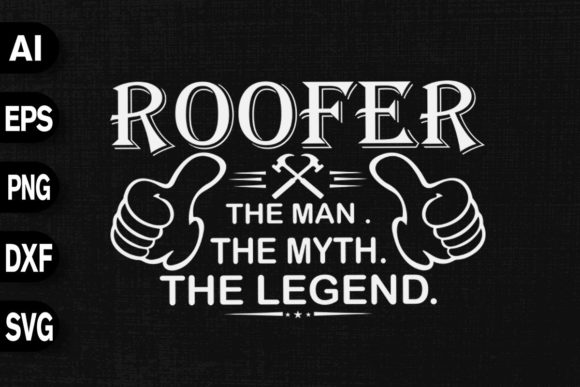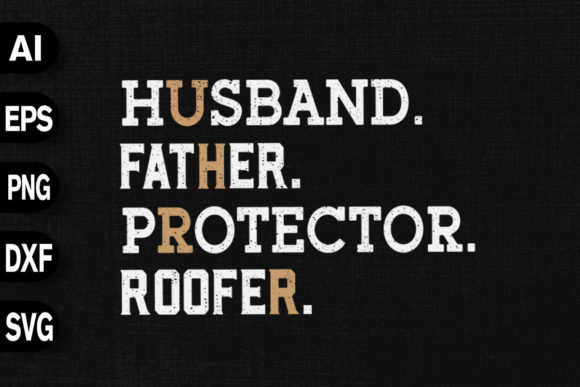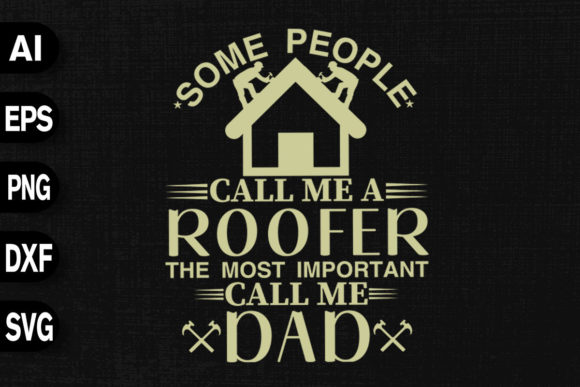
Some People Call Me Roofer Graphics & T-Shirt Designs
Evaluating Brand Personality for Local Trade Businesses
When reviewing Some People Call Me Roofer as a potential graphic design asset for a local business rebrand, my first impression centers on its distinct blend of professional pride and personal warmth. This is not merely a novelty graphic; it carries a specific emotional weight that resonates deeply with family-oriented trade businesses. The mood created is approachable, trustworthy, and authentically human. For a small business owner in the construction or home services sector, this design suggests a brand personality that values heritage, reliability, and community connection over cold corporate efficiency.
In the context of small business branding, this asset bridges the gap between commercial service and personal identity. It feels handmade and sincere rather than mass-produced. When I evaluate this for a real client project—perhaps a third-generation roofing company looking to modernize their fleet and merchandise without losing their soul—this graphic serves as an anchor. It signals to customers that they are hiring a person who cares about their craft and their family, not just a faceless entity. This emotional hook is critical for local business marketing where trust is the primary currency.
Strategic Applications Beyond Standard Apparel Merchandise
While the product description highlights use for T-shirts, hoodies, and mugs, an experienced brand designer sees far greater utility in integrated packaging design and promotional collateral. For a roofing or contracting business, "packaging" translates to vehicle wraps, estimate folders, invoice templates, and job site signage. Using Some People Call Me Roofer as a secondary mark or decorative element on these touchpoints creates a cohesive brand identity that extends well beyond apparel.
- Vehicle Fleet Graphics: Placing this design on truck doors or tailgates adds a friendly, relatable narrative to moving billboards, softening the industrial aesthetic of work vehicles.
- Client Welcome Kits: Use the SVG file to create custom stickers or thank-you cards included with final invoices or warranty packets, reinforcing customer appreciation.
- Social Media Graphics: Incorporate the illustration into Instagram or Facebook posts featuring team spotlights or "Meet the Crew" campaigns to boost engagement through storytelling.
- Promotional Flyers: Utilize the design as a header or footer accent on direct mail postcards targeting residential neighborhoods, making the ad feel less intrusive and more personal.
- Digital Product Mockups: Preview how the design looks on embroidered caps or safety gear before committing to production, ensuring the visual hierarchy remains balanced.
By treating this as a versatile commercial design element rather than just a shirt graphic, business owners can achieve stronger product recognition and a more polished professional presentation across all customer touchpoints.
Enhancing Customer Trust Through Visual Storytelling
The true value of Some People Call Me Roofer lies in its ability to support business presentation by humanizing the brand. In competitive local markets, customers often struggle to differentiate between service providers based on price or technical specs alone. This asset provides a clearer visual hierarchy that prioritizes relationship-building. When used on business cards or website banners, it immediately establishes an emotional connection that generic stock photography cannot replicate.
For handmade business owners or boutique contractors who specialize in restoration or artisanal craftsmanship, this graphic reinforces the "Dad" archetype—a symbol of protection, skill, and care. This translates directly to improved customer trust. When a potential client sees this level of thoughtful professional branding, they subconsciously associate the business with stability and attention to detail. It transforms a standard service transaction into a relationship with a trusted community member. Furthermore, consistent use of this asset across marketing visuals ensures that the brand remains memorable long after the initial interaction.
Optimal Placement for Maximum Brand Impact
To get the most out of this SVG design file, strategic placement is key. The asset works best in areas where there is space for the narrative to breathe. Hero graphics on website homepages, large-format decals for workshop walls, and dedicated sections on social media profiles are ideal environments. It also excels as a decorative brand element on seasonal packaging, such as holiday greeting cards sent to past clients or branded tote bags given at community events.
However, designers must exercise caution in certain applications. Avoid using Some People Call Me Roofer in formal corporate legal documents, dense ingredient lists on chemical product labels, or luxury minimalist branding where the illustrative style might clash with high-end aesthetics. It should never compete with critical safety information or contact details on busy layouts. On very small labels or low-contrast backgrounds, the intricate details may be lost, diminishing the editorial design quality. Always prioritize legibility and ensure the decoration supports, rather than distracts from, the core message.
Technical Due Diligence for Commercial Implementation
Before integrating this asset into any commercial license project, rigorous testing is non-negotiable. As a brand designer, I always recommend the following practical checks to ensure professional results:
- Vector Editability Check: Open the SVG file in Illustrator or similar software to verify that paths are clean and nodes are optimized. This ensures you can resize the graphic for a massive banner or a tiny lapel pin without pixelation.
- Print Quality Testing: Run test prints on both light and dark substrates. Check how the design handles halftones or gradients if printing via screen print versus DTG (Direct to Garment).
- Typography Pairing: Test the graphic beside various font styles. A bold sans-serif font often complements the rugged nature of roofing themes, while a script font might enhance the "Dad" sentiment. Ensure the text doesn't collide visually with the illustration.
- Color Mode Verification: Confirm whether the file is set up for CMYK (print) or RGB (digital). Convert colors appropriately to avoid dull outputs on physical merchandise like mugs or pop sockets.
- Licensing Compliance: Scrutinize the commercial license terms specifically regarding physical product sales versus digital distribution. Ensure your intended use for client branding or retail items falls within permitted usage.
- Mockup Validation: Always place the design on realistic product mockups before final approval. What looks good on a white screen background may need adjustment when applied to a textured canvas tote bag or a curved coffee mug.
By approaching Some People Call Me Roofer with this level of professional scrutiny, creative entrepreneurs and marketers can elevate a simple graphic into a cornerstone of a robust, emotionally resonant brand strategy. Whether used for a local roofer’s fleet refresh or a father’s day campaign for a hardware store, this asset offers significant versatility when applied with intention and technical precision. Remember that successful small business branding is about consistency; use this tool to tell a unified story that honors both the trade and the person behind it.